

Black History Month Leadership Reflections
Black History Month is not only about remembering names, it’s about remembering leadership lessons that still matter.
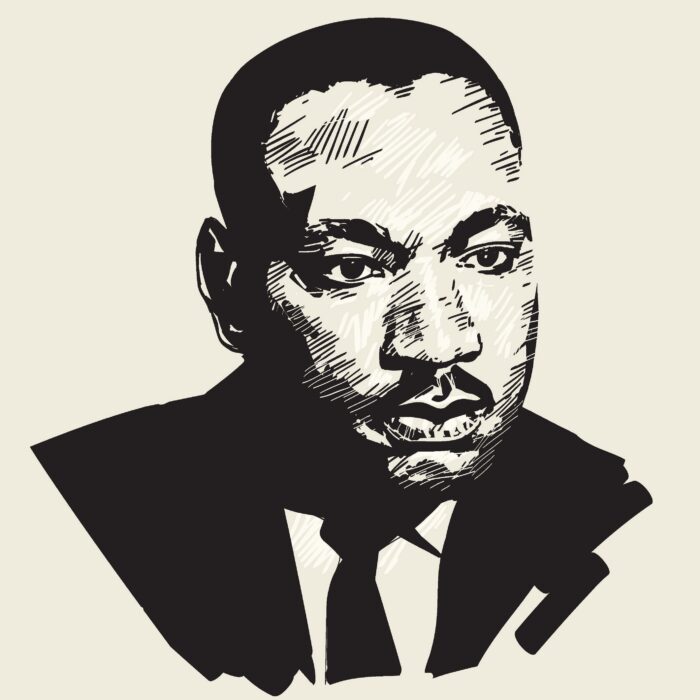
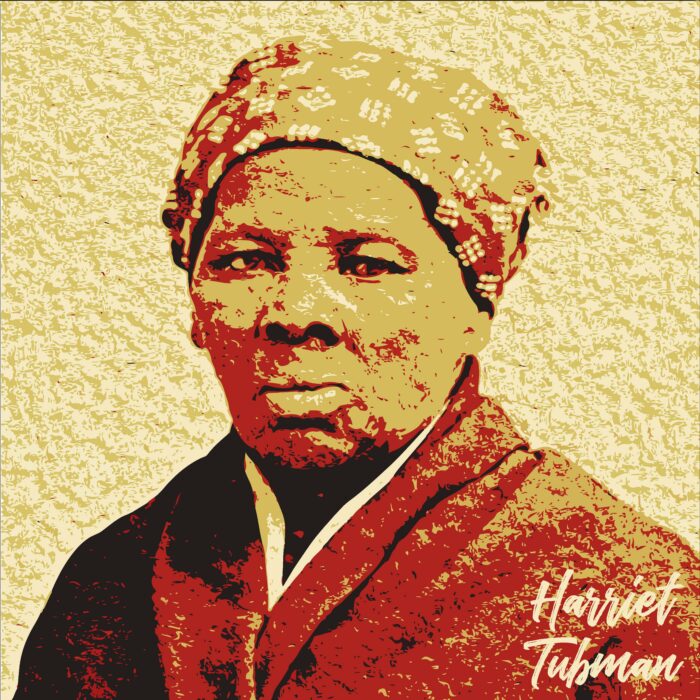
When we look at leaders like Martin Luther King Jr., Nelson Mandela, Harriet Tubman and W.E.B. Du Bois, we see more than historical figures. We see leadership forged under pressure, leadership that shaped movements, redefined systems, and endured beyond a single lifetime.
What’s striking is not just what they achieved, but how they led.
At a time when many organizations struggle with trust erosion, disengagement, and fear-based management, these leaders offer a powerful contrast. They led without dashboards, titles, or engagement surveys, yet their influence remains unmistakable.
The question for today’s leaders is simple:
What did they practice that many leaders today are losing site of in the fast-pace corporate environment?
Leadership Traits These Leaders Shared and Why They Still Matter
Moral Courage
Each of these leaders demonstrated the courage to do what was right, not what was safe.
They endured imprisonment, exile, surveillance, and public criticism without abandoning their principles. Their leadership was values-driven, not approval-driven.
What this means today:
Moral courage now looks like confronting toxic behavior, making ethical decisions under pressure, and refusing to sacrifice people for performance optics. Silence may feel neutral, but history reminds us it is often a decision.
Clarity of Purpose
They were anchored by an unmistakable “why.”
Their purpose guided decisions, sustained resilience, and gave others something larger than themselves to believe in, even when progress was slow.
What this means today:
Modern employees are asking deeper questions:
Why does our work matter? What do we stand for? Who benefits from our decisions?
Leaders without purpose create confusion. Leaders with purpose create alignment.
Mastery of Communication
These leaders understood that language shapes reality. They inspired, unified, and challenged through disciplined, intentional communication, whether prophetic, reconciliatory, or intellectual. What they did not do was belittle, insult or undermine the talent around them or the people that challenged their ideas.
What this means today:
In a world of nonstop messaging, leaders must communicate with intention. Tone builds trust—or fear. Clarity builds confidence—or confusion. Words are never neutral.
Long-Term Vision
None of these leaders chased quick wins for personal glory or popularity. They invested in systems, institutions, and future generations. Their leadership was measured in decades, not quarters.
What this means today:
Short-term thinking fuels burnout and initiative overload. Leaders must balance urgency with patience and think beyond their own tenure if they want sustainable results. John Maxwell states, “real leaders look to have a positive impact on others and not a search for personal award”.
Self-Discipline Under Pressure
This trait is often overlooked. Despite provocation and injustice, these leaders exercised restraint. They managed ego, emotion, and impulse, even when retaliation would have been understandable, these leaders displayed a high level of emotional intelligence.
What this means today:
Emotional discipline shows up as composure during conflict, steadiness in crisis, and resistance to fear-driven micromanagement. Unchecked emotion doesn’t humanize leadership, it destabilizes it. These qualities are not often modeled or celebrated. Fear based leadership is often reward in organizations and in the media.
Service Over Self
They never made themselves the mission. Their leadership centered on lifting others, building capacity, and leaving a legacy that outlived them.
What this means today:
Teams can sense when leadership becomes ego-driven or self-protective. Service-oriented leadership isn’t soft, it’s credible. But in today “performance based”, “get mine” world, both corporate as well as political leader are modeling self-centered leadership. Easily seen when leaders accept high financial bonus while eliminating the jobs of key talent to show profits to shareholders.
Toxic vs. Healthy Leadership
What Many Leaders Practice Today vs. What These Leaders Modeled
| Leadership Dimension | Today’s Leadership Models | Historic Black Leadership Models |
| Source of Authority | Rely on title, hierarchy, or control | Rely on moral authority, credibility, and trust |
| Decision-Making | Fear-based, reactive, self-protective | Values-based, intentional, purpose-driven |
| Communication Style | Vague, defensive, or intimidating | Clear, disciplined, inspiring, and truth-centered |
| Response to Dissent | Silences or punishes disagreement | Invites dialogue and withstands critique |
| Time Horizon | Short-term wins and optics | Long-term impact and generational change |
| Emotional Regulation | Volatile or ego-driven | Composed and disciplined under pressure |
| Treatment of People | Transactional people as resources | Human-centered—people as purpose |
| Use of Power | Hoarded or weaponized | Shared, restrained, and accountable |
| Handling of Conflict | Avoids or escalates through control | Faces conflict with courage and clarity |
| Legacy Focus | Personal advancement | Collective progress and institutional strength |
Why This Matters, Especially Now
The uncomfortable truth is this: Many modern leadership failures are not caused by a lack of skill, or intelligence, but by character under pressure.
The leaders we honor during Black History Month led in environments far more hostile and dangerous than most workplaces today, yet they rejected fear, dominance, and control as leadership tools.
Their example challenges today’s leaders with a sobering reality:
If leadership could be principled under oppression, it can certainly be principled under pressure.
Personal Leadership Reflection
- Where have I chosen comfort over courage?
- Is my team clear on why we do what we do?
- Do my words create safety, hope and engagement or do they create fear in my employees?
- Am I building something that will last beyond me?
In today’s very challenging climate Black History Month reminds us that healthy leadership is not new.
What is new is our choice, to practice these leadership lessen from the past.
About Dr. Ollie G. Barnes III
Dr. Ollie G. Barnes III is an organizational performance consultant, keynote speaker, and author of Diagnosing Toxic Leadership: Understanding the Connection Between Personality Disorders and Toxic Leader Behaviors. As the founder of Impact Performance Consultants, he brings over 25 years of experience helping organizations transform workplace culture, improve leadership effectiveness, and build psychologically safe environments. Learn more at ImpactPerformanceConsultants.com