
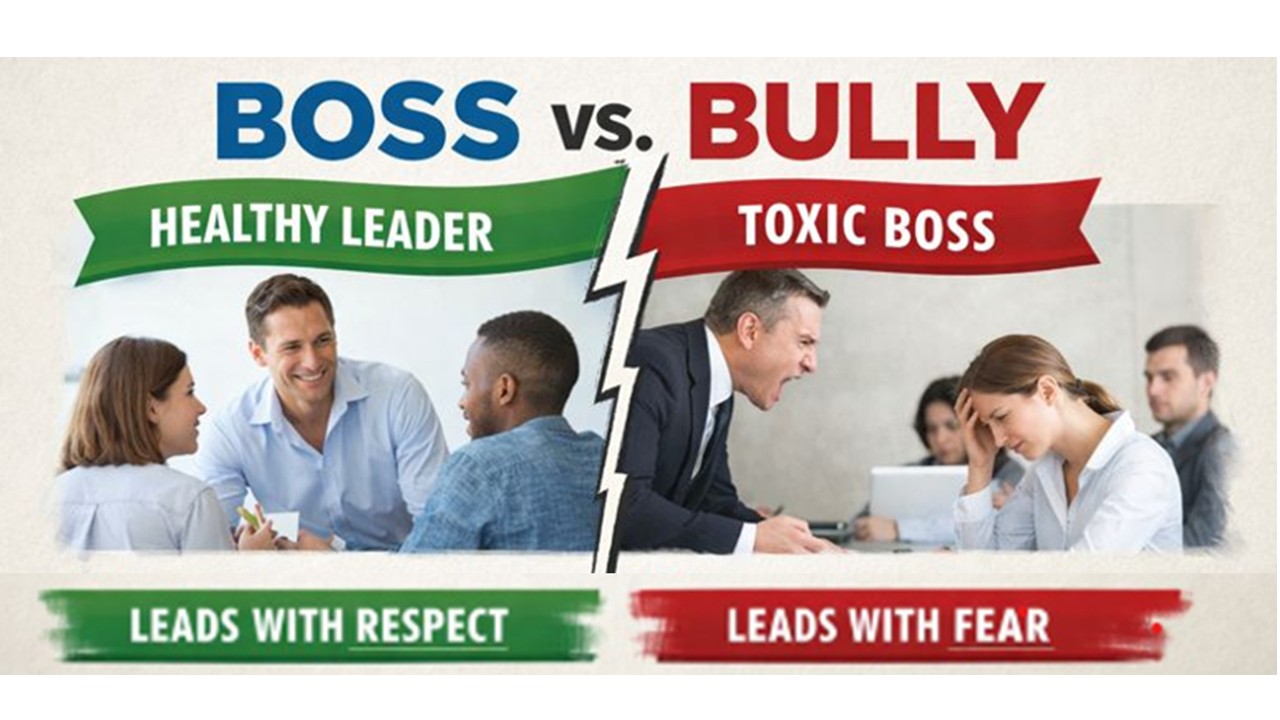
Good leadership models are disappearing
Leadership development is not a nice to have but an essential ingredient for shaping the behavior of the next generation of leaders. Whether those leaders will be found in corporate America, churches or American politics we need good examples of what good leadership looks like. Television, and the media focuses on the leader that appears confident, who walks in the office or steps up in from of the camera for the news and bellows out quick orders, talks tough, steps on the little guy. While this may sound sexy and sells lots of commercial space and newspapers my concern is these leaders are becoming the norm, and the examples of good leadership is missing.
On television and in movies bully bosses such as Miranda Priestly the competent editor of a top fashion magazine in the film “The Devil Wears Prada” or Dr. Gregory House the star of the medical show “House, M.D.” appears to resonate because they reflect real workplace dynamics:
- Results used to excuse abuse
- Fear mistaken for respect
- Silence mistaken for alignment
- “Toughness” confused with leadership strength
These characters provide safe, powerful mirrors for discussing toxic leadership without naming real people inside your organizations. The real truth is this type of leader, using fear and status as a tool to motivate staff or they weaponized their genius to justify cruelty and dominance Additionally regardless of what your political ideology might be we have to acknowledge that the behavior of President Donald Trump aligns with the behaviors of a bully boss which include
- Public humiliation of subordinates, critics, and former allies
- Use of intimidation and threats to discourage dissent
- Dominance-based communication, including insults and ridicule
- Personal loyalty tests, framing disagreement as betrayal
- Targeting individuals through sustained public criticism
In organizational settings human resource professionals design and implement policies to protect employees against this type of behavior which is typically flagged as abusive. The problem is that bully bosses have both power and position which intimidates employees from reporting these leaders to HR for fear of termination. This means the poor leadership behavior lives on in the organization and becomes a symbol of what good leadership is, which means bully bosses often go unchecked. They survive longer than they should because:
- They “get results” in the short term
- They manage up well while abusing down
- Employees fear retaliation if they report
- HR focuses on complaints, not patterns
- Senior leaders mistake fear for respect
When performance metrics outweigh human impact in a pay for performance organization toxicity is rewarded and young up-and-coming leaders believe this is the model of good leadership.
The purpose of this blog is to alert young high potential leaders and the organizations they work for that leadership is more than just the short-term bottom line created by the bully boss who may achieve short term results but leave a wake of bodies behind them. Psychological safety is real and leaders that provide that type of environment should not be seen as soft but as leading with self-control, confidence, and character.
Toxic Leader Behaviors vs. Healthy Leader Behaviors
| Leadership Moment | Toxic Leader Do | Healthy Leader Do |
| Giving Feedback | Criticizes publicly to assert dominance | Corrects privately to preserve dignity |
| Handling Mistakes | Blames individuals and shames them | Treats mistakes as learning moments |
| Managing Conflict | Escalates tension, intimidates, or threatens | De-escalates and facilitates resolution |
| Decision-Making | Demands compliance without explanation | Explains rationale and invites input |
| Communication Style | Uses sarcasm, yelling, or ridicule | Uses calm, direct, respectful language |
| Power & Authority | Relies on fear to maintain control | Builds trust to earn influence |
| Accountability | Applies rules inconsistently or punitively | Applies standards fairly and consistently |
| Response to Dissent | Labels disagreement as disloyalty | Encourages challenge and dialogue |
| Emotional Regulation | Reacts impulsively and unpredictably | Manages emotions under pressure |
| Performance Pressure | Creates urgency through threats | Creates urgency through clarity and support |
| Employee Voice | Silences, interrupts, or dismisses ideas | Actively listens and validates input |
| Motivation Strategy | Uses fear of punishment | Uses purpose, growth, and recognition |
| Team Climate | Cultivates anxiety and self-protection | Cultivates psychological safety |
| Handling Authority | Needs constant validation and loyalty | Is secure and open to feedback |
| Long-Term Impact | Drives burnout, turnover, and disengagement | Drives engagement, retention, and trust |
Key Takeaways
Bully bosses are not role models for good leadership. Leadership worthy of imitation is built on respect, self-control, and accountability, not fear, humiliation, or dominance. Young people deserve leaders who show that strength and dignity can coexist. As you step into leadership, choose to lead in ways that build people up, not break them down. Remember leadership is a gift, never abuse it and people will choose to follow you (Barnes, 2024)
If your organization is serious about engagement, performance, and retention, the question is not “Do we have bully bosses?” It’s “What are we willing to do when we find them?”
Click here to schedule a discussion to allow Impact Performance Consultants to help your organization create healthy new leaders.

About Dr. Ollie G. Barnes III
Dr. Ollie G. Barnes III is an organizational performance consultant, keynote speaker, and author of Diagnosing Toxic Leadership: Understanding the Connection Between Personality Disorders and Toxic Leader Behaviors. As the founder of Impact Performance Consultants, he brings over 25 years of experience helping organizations transform workplace culture, improve leadership effectiveness, and build psychologically safe environments. Learn more at ImpactPerformanceConsultants.com